

With the World Cup closing in and knocking on our doors, ACL tears have become one of those topics that could come up in conversation (depending on the groups you're hanging out with). There's no doubt the injury has gotten more attention lately, with famous athletes like Lindsey Vonn and Virgil van Dijk returning to competitive sport after one. Either way what does ACL even mean? What does it do? Why is it so impressive that these athletes are still strong in their sports? And why is it that your dad's friend's uncle hurt their ACL while playing football the other week? Let's do a quick dive in.
Where is your ACL, and what does it do?
A-C-L stands for anterior cruciate ligament, and it quite literally means "the ligament that looks like a cross on the front of your knee." This is one of the more complex ligaments in the body it has chunks of it that travel in different directions. This means the ligament can help maintain the stability of the knee in different directions and positions. Mostly, the ACL helps prevent the shin bone (tibia) from sliding too far forward relative to the leg bone (femur) (Evans, Mabrouk and Nielson, 2023). It also prevents the leg from rotating inwards too far. So the most common cause of an ACL tear is when it's stretched too much in either of those positions: the shin bone sliding too far forward, or rotating too far inwards (Evans, Mabrouk and Nielson, 2023).

What happens when an ACL ruptures?
When an ACL ruptures, doctors will usually decide on one of two options: either surgical management (Yao, Yung and Lui, 2021) or conservative management (Jia et al., 2024). If they decide it's going to be surgical, there's usually a period of "pre-habilitation," then the surgery, then the rehabilitation. If it's conservative management, you'll be sent to a physiotherapist and they'll be handling your care from there on.
Why does Rehabilitation Matter?
The interesting part is that while an ACL tear definitely causes trouble to the knee that's injured, the uninjured knee also starts to behave like the injured knee. It loses its ability to react to changes with movement, as well as a skill called "proprioception" — which is basically how well the knee understands its position relative to the rest of the body.
What’s Next?
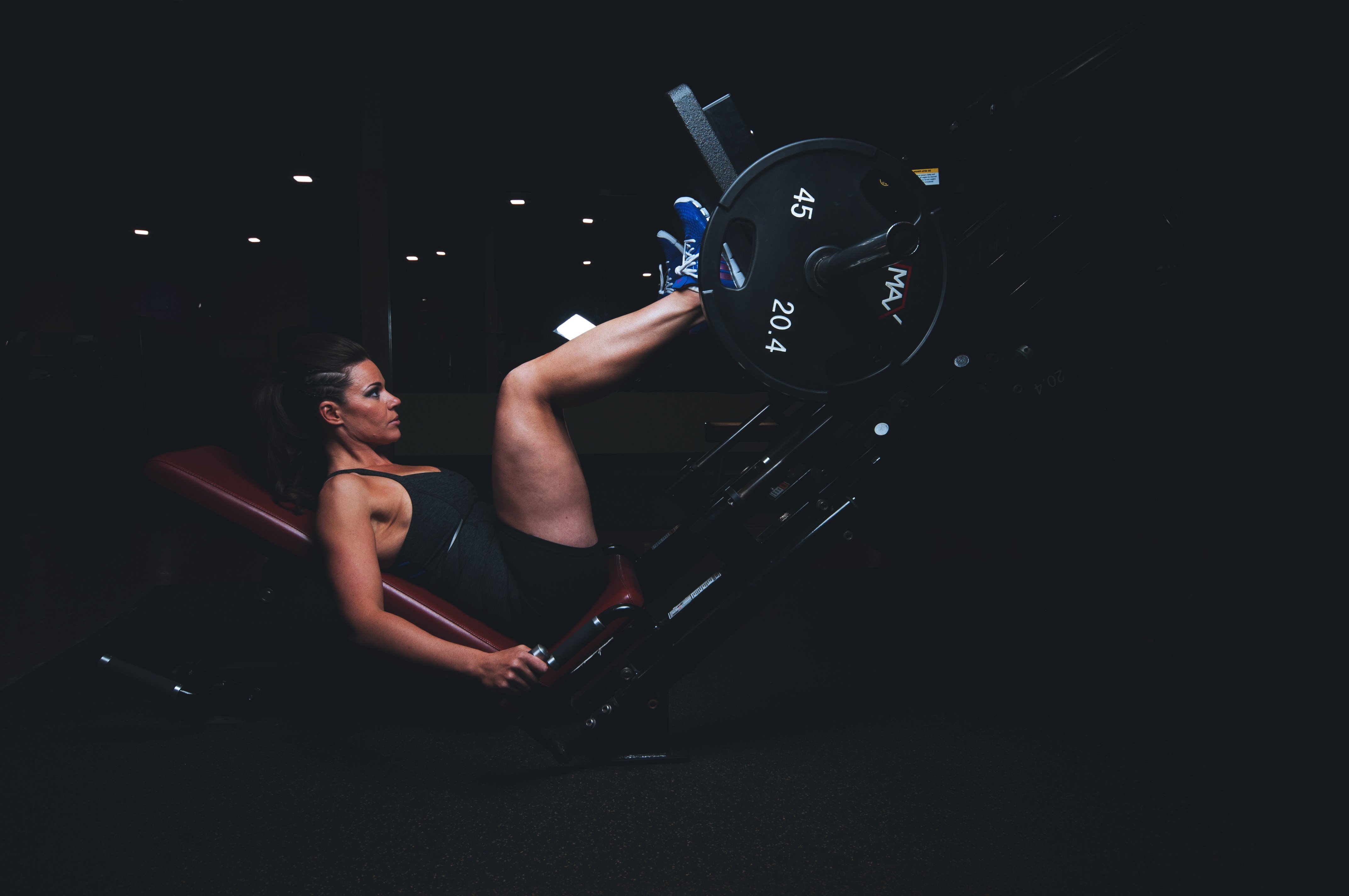
Now back to Lindsey Vonn and Virgil Van Dijk, they both had different ways to manage their ACL injuries, conservative and surgical respectively. We will have a closer look at the pros and cons of each system of management in parts two and three from this ACL specific blog series. Till then don't miss leg day at the gym!
In the meantime if you think you might benefit from either preventative therapy or post injury rehabilitation for your knee you can book with us here.
Stay Nerdy!
Mariam Aziz, Chartered Physiotherapist
